Headless
Headless Shopify, when a theme can't do the job
Hydrogen or Next.js storefronts on top of Shopify's checkout and back office. We build them when they pay off, and tell you when a well-built theme is the better buy.
Discuss Your ProjectThe first call is free — 30 minutes. We reply within 1 working day.
Our Capabilities
Headless where it earns its complexity.
-
0 - 1
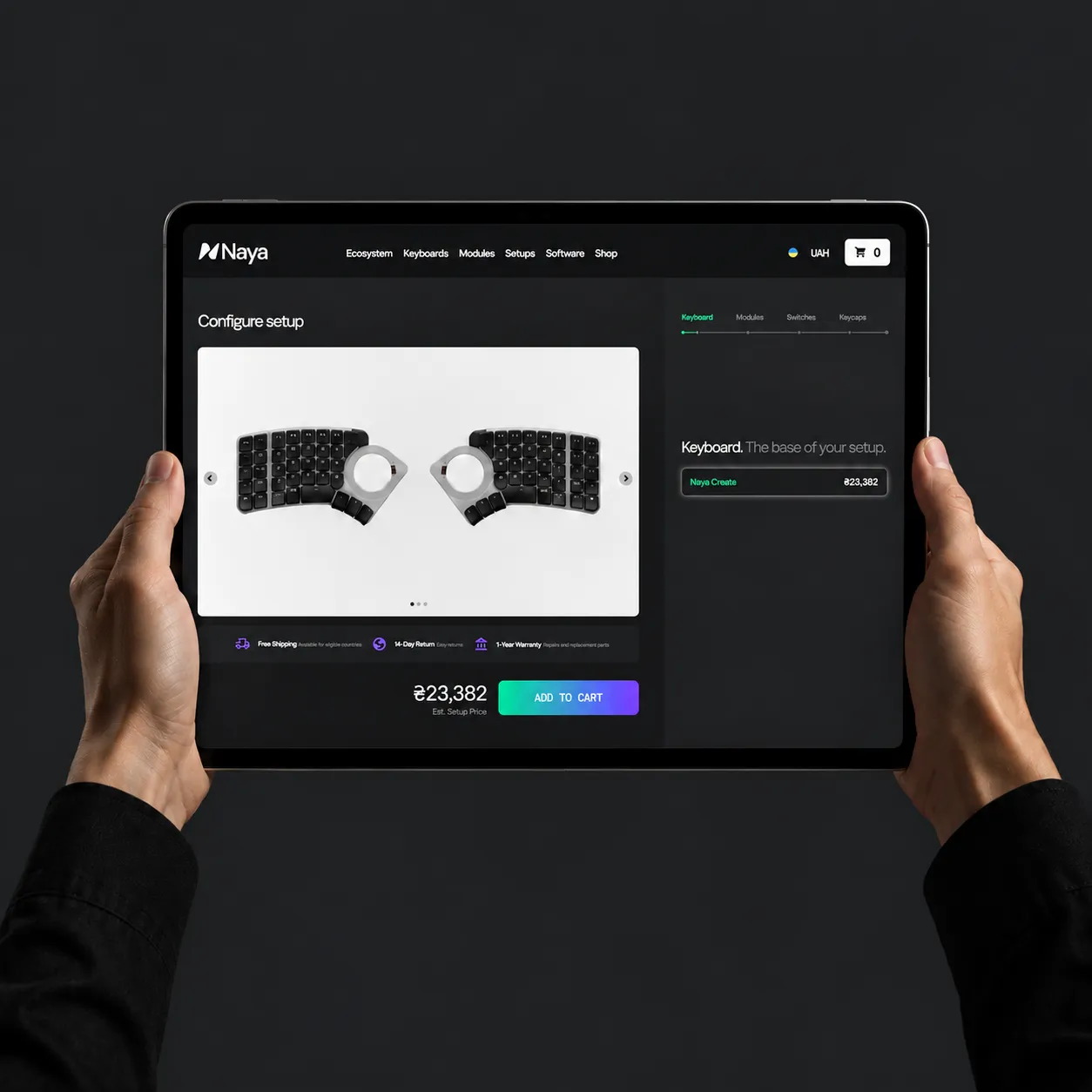
Hydrogen Storefronts
Shopify's own React framework, hosted on Oxygen, for stores that live entirely on Shopify.
-
0 - 2
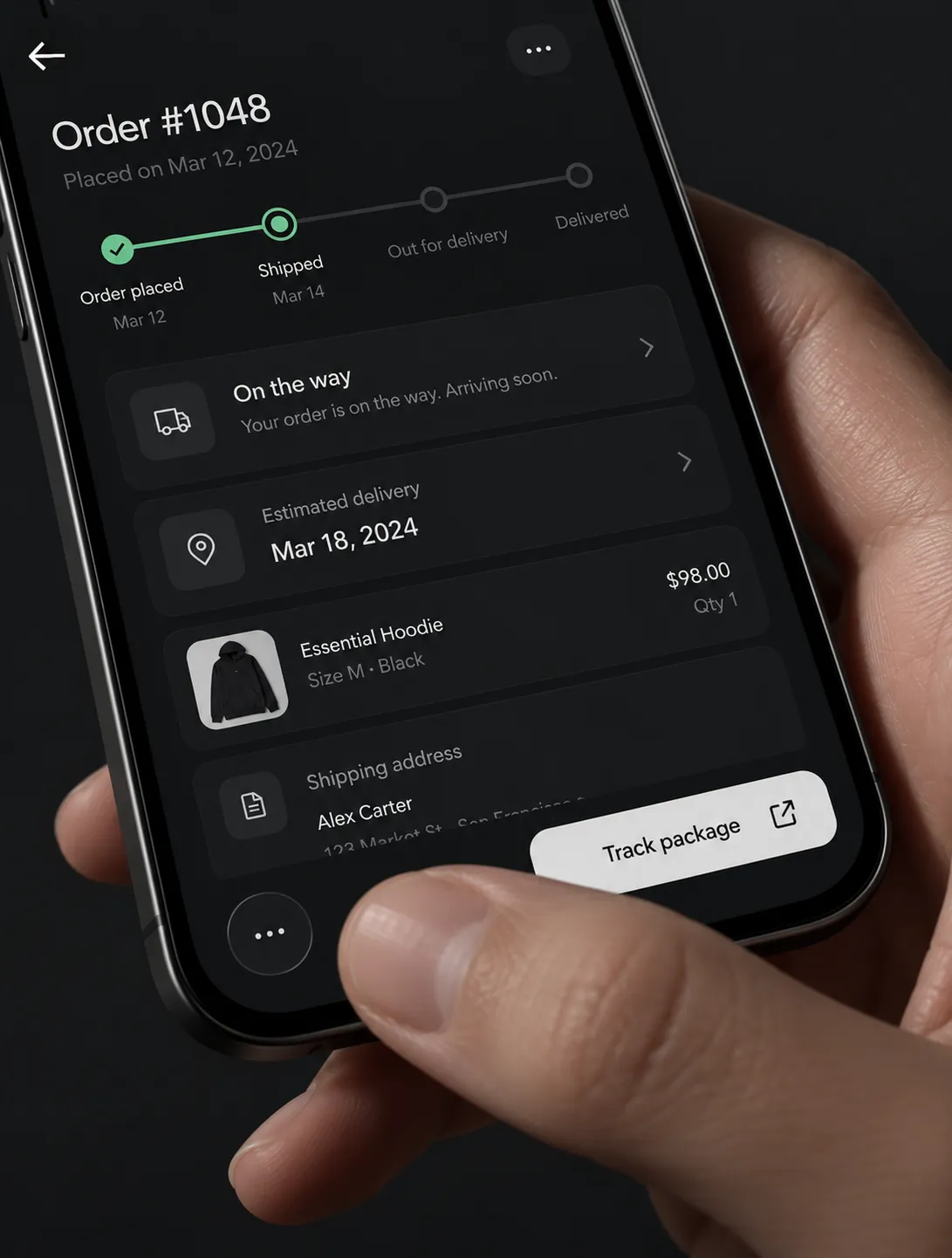
Next.js Storefronts
For brands that pull content and data from more than Shopify: a CMS, a PIM, several markets.
-
0 - 3
Headless CMS
Editors work in a CMS built for content, while products and checkout stay in Shopify.

-
0 - 4
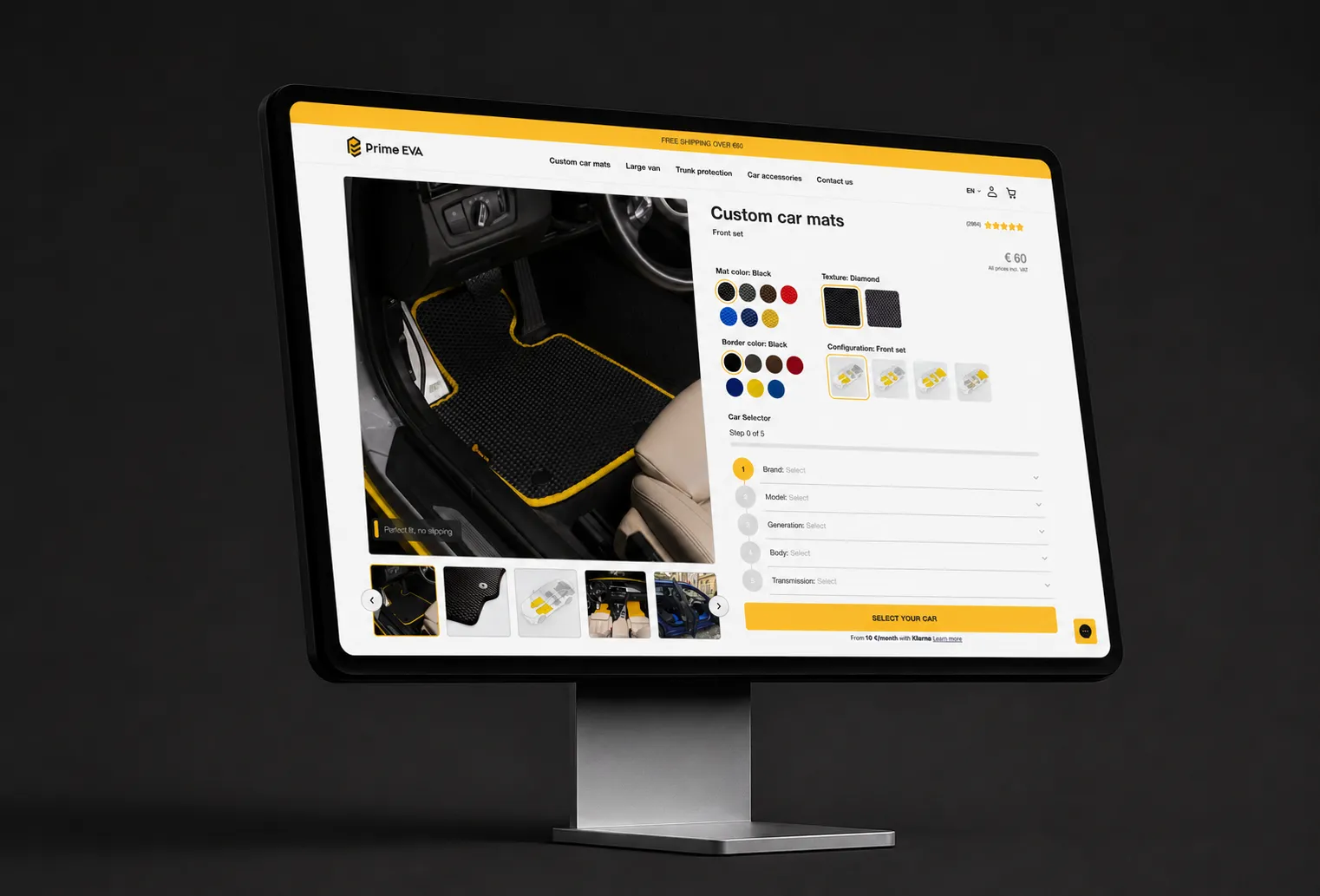
Partial Headless
A configurator or campaign pages run on a custom front end, while the rest of the store stays on the theme.
-
0 - 5
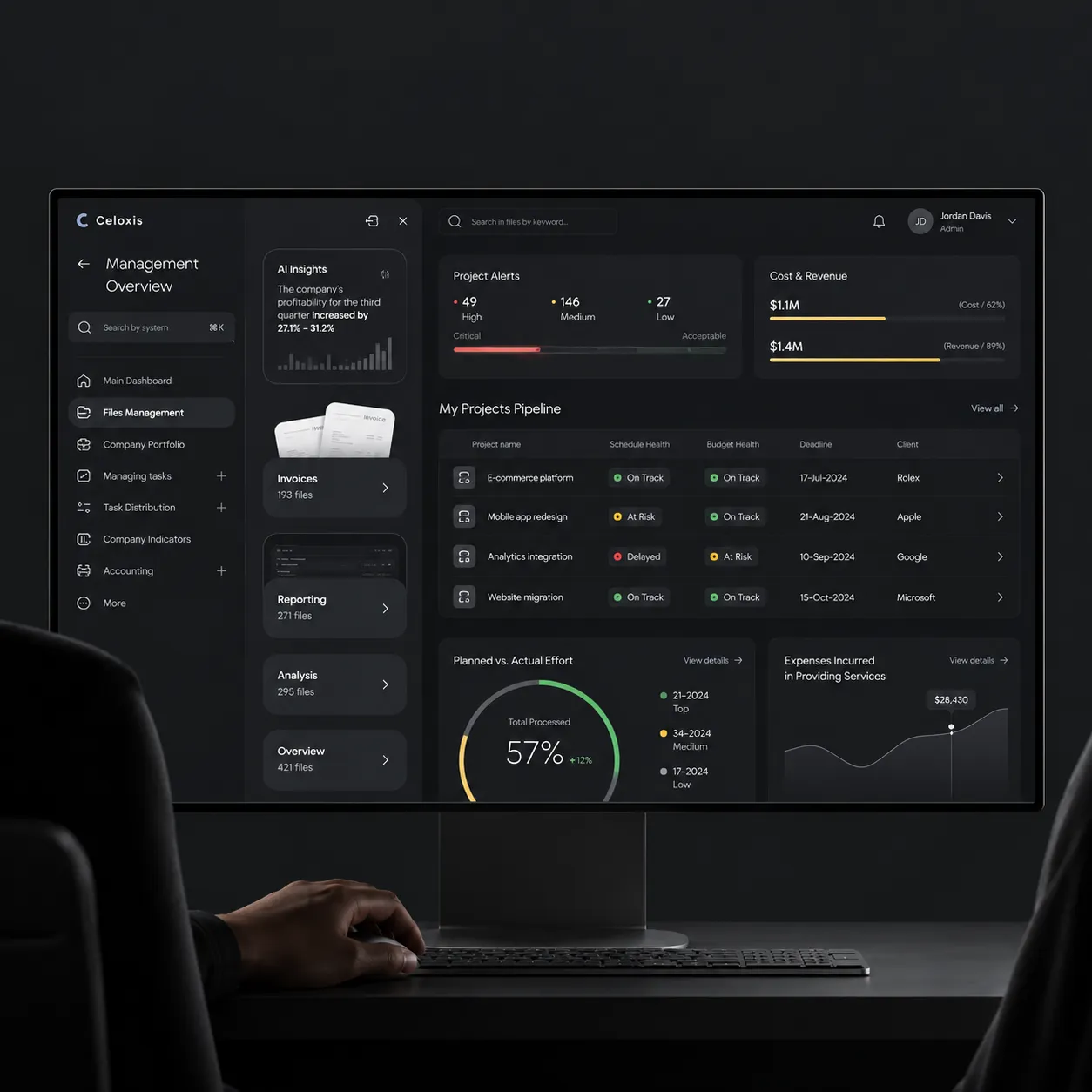
Migration to Headless
URLs, redirects and tracking carried over, so search traffic and analytics survive the switch.
-
0 - 6
Speed & Core Web Vitals
A load-time budget agreed before design starts and checked again before every release.
When Headless Pays Off
Headless is a tool, not an upgrade.
-
/01
The theme fights your design
When the brand needs layouts, interactions or speed the theme layer can't give, a custom front end removes the ceiling instead of patching around it.
-
/02
One catalogue, several front ends
Web store, app, in-store screens: each channel gets its own front end from the same Shopify back office, without duplicating products.
-
/03
Content sells as much as products
If editorial content drives sales, a headless CMS next to Shopify gives editors proper tools while checkout stays Shopify's.
How We Build Headless
From the decision to a storefront you can run.
-
Decide
We check whether headless pays off for your store before anything is built. Sometimes the answer is a better theme.
-
Architect
Framework, hosting, CMS and which system owns which data, written down before design starts.
-
Build & Migrate
Front end, integrations and URL mapping, tested with real orders and real search traffic in mind.
-
Launch & Run
We launch, watch speed and errors under real traffic, and keep both codebases up to date.
Numbers that matter
- 4.8*Upwork Reviews
- 60+Happy Clients
- 100+Projects Delivered
* Average client rating on our Upwork agency profile.
What happens after launch matters more.
Your team
The team behind your project
-

Vadym Hula
Head of Delivery
Runs your project
-

Sofiia Zabrodska
Business Development & Sales Manager
First contact, proposals
-

Vadym-Marko Hruden
CBDO
-

Oleksandr Rudenko
Founder & CEO
Our team works across Kyiv, Lviv, Kraków and Spain, on CET hours.
FAQ
Questions
we get asked
What is headless Shopify?
Shopify keeps the products, checkout, payments and back office. The storefront your customers see is a separate application that reads from Shopify through its Storefront API. You get full control over the front end without leaving Shopify's commerce engine.
Hydrogen or Next.js?
Hydrogen if the store lives entirely on Shopify: it is Shopify's own framework, and Shopify hosts it on Oxygen. Next.js if content and data come from several systems, or your team already works in it. We recommend one after looking at your stack, not before.
When is headless not worth it?
More often than it gets recommended. Headless costs more to build and more to maintain, because there are two codebases instead of one. If a well-built theme gives you the design and speed you need, we will tell you that and build the theme instead.
Does the checkout change?
No. Checkout stays Shopify's, so payments, taxes and checkout customisations keep working. Customers move from your storefront to Shopify's checkout to pay.
Will our Shopify apps still work?
Apps that work in the back office keep working. Apps that add things to the theme, such as review widgets, upsells or pop-ups, need a headless-compatible version or a replacement. We list them before the project starts, so there are no surprises at launch.
How long does a headless build take?
It depends on scope. A partial headless section is a matter of weeks; a full storefront with a CMS and a migration takes months. We scope it before quoting.
Who maintains it after launch?
We do, if you want us to. A headless store has two codebases to keep current, the Shopify side and the front end, and we keep both updated and monitored.

Not sure headless is worth it?
Tell us what your theme can't do, and we'll tell you whether headless is the fix or what is.
Discuss Your ProjectThe first call is free — 30 minutes. We reply within 1 working day.